Understanding the psychological triggers that drive gambling behavior
The allure of risk and reward
One of the primary psychological triggers behind gambling behavior is the allure of risk and reward. The excitement of potentially winning a large sum of money can create a thrill that many find irresistible. This tension between the possibility of loss and gain serves as a potent motivator, encouraging individuals to engage in gambling activities. The thrill derived from this risk can be likened to a roller coaster ride, where the ups and downs add to the overall experience. Many find themselves drawn to platforms like https://katanaspin-official.uk/ to explore these exhilarating opportunities.

Moreover, the concept of ‘variable rewards’ plays a significant role in attracting gamblers. Unlike traditional forms of entertainment where the outcome is predictable, gambling introduces a level of uncertainty that can heighten the excitement. Studies have shown that when the outcome is not guaranteed, people are more likely to continue participating, fueled by the hope of hitting the jackpot. This unpredictability can turn a simple game into an exhilarating challenge, making it hard for players to resist returning for more.
Additionally, this risk-reward dynamic can lead to a psychological phenomenon known as the “gambler’s fallacy.” Many individuals believe that past outcomes can influence future results, leading them to make irrational bets based on luck or superstition. This misconception can perpetuate gambling behavior, as players become convinced that their next wager may finally yield the desired reward, which further entrenches their commitment to gambling.
The influence of social factors
Social factors significantly influence gambling behavior, as the activity is often seen as a shared experience. Engaging in gambling with friends or family can create a sense of community and belonging. The social aspect enhances the enjoyment, as players celebrate wins together or share the excitement of the game. This collective experience can create a positive feedback loop, encouraging individuals to gamble more frequently.
Furthermore, peer pressure can serve as a compelling motivator. In many social settings, individuals may feel compelled to join in on gambling activities, especially if friends or acquaintances are participating. The fear of missing out (FOMO) can drive individuals to engage in gambling, even if they initially had no interest. This social aspect can create an environment where individuals gamble more than they might on their own, ultimately affecting their behavior and spending patterns.
The role of social media cannot be overlooked either. With the rise of online gambling platforms and the ability to share experiences through social networks, individuals are exposed to constant reminders of gambling. These platforms often highlight big wins and success stories, creating a narrative that can encourage participation. The visibility of others’ experiences can create a perception that winning is more accessible, thereby enticing individuals to join in on the activity.
The role of emotional states
Emotions play a pivotal role in gambling behavior, as individuals often turn to gambling as a way to escape or enhance their current emotional state. For example, someone feeling stressed or anxious may gamble as a form of distraction, seeking relief through the excitement of potential winnings. This emotional connection to gambling can lead to an unhealthy cycle where individuals rely on betting to cope with negative feelings, further entrenching their gambling habits.
Conversely, positive emotions can also trigger gambling behavior. Individuals who are feeling particularly happy or euphoric may engage in gambling as a way to celebrate. The rush of adrenaline and the accompanying thrill can seem appealing, as people often associate good times with risk-taking activities. This emotional reinforcement creates a loop where gambling is viewed as a pleasurable and rewarding experience, making individuals more likely to return for more.
Moreover, gambling can also provide a sense of control during chaotic or uncertain times. For some, the ability to place bets and potentially influence outcomes can serve as a way to regain a sense of agency in their lives. This perceived control can make gambling especially attractive during periods of instability, reinforcing the idea that gambling serves as an emotional outlet rather than just a form of entertainment.
The impact of marketing and environment
Marketing strategies play a significant role in shaping gambling behavior, especially in today’s digital age. Online casinos and sportsbooks often employ targeted advertising that emphasizes excitement and big wins, effectively appealing to the psychological triggers that drive participation. The use of flashy graphics, enticing bonuses, and promotional offers can draw individuals in, making gambling seem more appealing and accessible than it might otherwise be.
The design of the gambling environment also greatly influences behavior. Casinos and online platforms are engineered to create an immersive experience that keeps players engaged. The use of vibrant colors, stimulating sounds, and enticing lighting can heighten arousal and excitement, encouraging individuals to spend more time and money. This carefully crafted atmosphere can lead to a loss of track of time and money, as players become absorbed in the experience.
Moreover, the presence of rewards and loyalty programs can further reinforce gambling behavior. Players may feel compelled to continue gambling in order to earn points or unlock special bonuses, creating a sense of urgency and competition. This tactic can effectively hook individuals into a cycle of play, as they chase after rewards while often overlooking the potential consequences of their gambling habits.
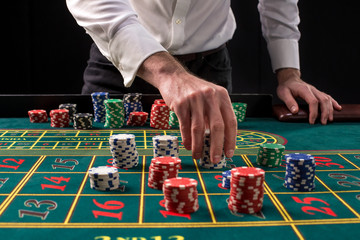
Exploring KatanaSpin’s engaging experience
KatanaSpin, a modern online casino that debuted in November 2024, embodies the key aspects of contemporary gambling behavior. With an extensive library of over 4,500 games, including a variety of slots and live dealer options, the platform caters to both casual and dedicated players. This diverse selection not only enhances the entertainment value but also capitalizes on the psychological triggers discussed earlier, such as excitement and social interaction.
Moreover, KatanaSpin offers new users a generous welcome package that includes bonuses and free spins, which serve as a significant incentive to engage. Such promotional offerings can effectively tap into the emotions and social factors that drive gambling behavior, making it even more appealing for individuals looking for new experiences. The seamless registration process and multiple payment options further enhance the user experience, making it easy for individuals to jump into the action.
By focusing on creating an engaging and enjoyable gaming atmosphere, KatanaSpin exemplifies how modern online casinos can leverage psychological triggers to attract and retain players. With continuous promotions and an ever-expanding game library, it aims to keep players returning while ensuring that their gaming experience remains exciting and rewarding.